የሰማያዊ ፓርቲ በ ጥር 17 ቀን በፓርቲዉ ጽ/ቤት በኢትዮ-ሱዳን ድንበር ዙሪያ የዉይይት መድረክ አዘጋጅቷል

የሰማያዊ ፓርቲ በፌስ ቡክ ገጹ ባወጣው መግለጫ መሰረት፣ ቅዳሜ ጥር 17 ቀን በፓርቲዉ ጽ/ቤት በኢትዮ-ሱዳን ድንበር ዙሪያ የዉይይት መድረክ አዘጋጅቷል። « ድንበራችንን ጉዳይ በተመለከተ በተጨባጭ መረጃ በህብረተሰቡ ውስጥ ግንዛቤ ይፈጠር ዘንድ ትምህርታዊ ውይይት መድረክ ያዘጋጀ ሲሆን በዝግጅቱ ላይም በዘርፉ ለረጅም አመታት በመስራት የሚታወቁት የረጅም ጊዜ የጆግራፊ ባለሞያ የሆኑት ፕሮፌሰር መስፍን ወልደማሪያም ድንበሩን በተመለከተ ሰፋ ያለ ትምህርት ይሰጣሉ» ሲል የገለጸው የሰማያዊ መግለጫ፣ ኢትዮጵያዉያን በስፍራዉ ተገኝተዉ በጉዳዩ ላይ ሙሉ ግንዛቤ እንዲያገኙ ጥሩ አቅርቧል።

semayawi_border
የሰማያዊ ፓርቲ ፣ እንዲሁም የአንድነት ፓርቲ ለተለያዩ የመንግስት አካላት በጉዳዩ ላይ ግልጽ ማብራሪያ እንዲሰጥ ጥያቄ ያቀረቡ ሲሆን እስከአሁን ጉዳዩን በድብቅ ለመያዝ ከፈለጉ የመንግስት አካላት እስከአሁን ማብራሪያ ሊገኝ አልተቻለም።

In Pictures: Timket in Gondar

January 21st, 2014 

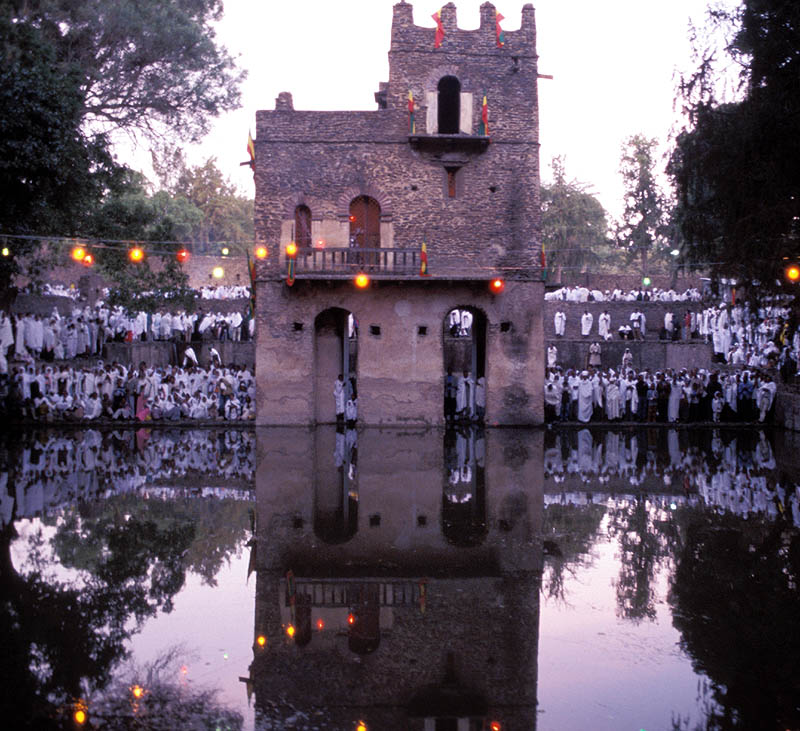
 Pilgrims jump into the blessed waters of the Fasilides baths, built in 1632. (Photograph: Getty Images)Mirror

Colourful umbrellas, flags and white robes lined the streets of Ethiopia to celebrate one of the most important days in the Orthodox Christian calendar.

Although relatively unknown by the outside world the Timkat festival is celebrated by around 40 million people who are members of the Ethiopian Orthodox Tewahedo Church.

One of the major celebrations takes place in the northern city of Gondar, where worshippers flock to the UNESCO heritage site royal baths to bathe into the waters.

Read more and watch video at Mirror.co.uk.

Related:
In Pictures: Festival of Timkat in Ethiopia (The Guardian)


A Photographic Journal Retracing the Last March of Emperor Tewodros to Magdala

Published by Tadias January 20th, 2014 

 Cover of the book Crossing Ethiopia: A 1972 Photographic Journal Retracing the Last March of Emperor Tewodros to Magdala. (Photo Courtesy: John Snyder)Tadias Magazine
By Tadias Staff

Published: Monday, January 20th, 2014

New York (TADIAS) — Forty two years ago, John Snyder traveled with his wife to Ethiopia to retrace Emperor Tewodros’ final route to Magdala to face British troops numbering over 60,000.

“I had just finished reading Alan Moorehead’s ‘The Blue Nile’ and I was fascinated by Emperor Tewodros and his battle with the British,” John told Tadias. “I had traveled to Kenya and Tanzania to climb Mount Kilimanjaro, and now my interest in Ethiopia was peaked.”

After contacting both the Ethiopian consulate and the office of Ethiopian Airlines to inquire about the feasibility of the route, John was connected to the late Professor Donald Crummey — who was teaching at Addis Ababa University at the time — and an Ethiopian translator. Arriving in Ethiopia John and his wife began the 300 mile expedition by bus, Land Rover, mule and foot, and John recorded his meetings with governors and civilians along the way and took extraordinary photographs, a selection of which are now published in his new book: Crossing Ethiopia.

Following the treacherous and unpaved route taken by Emperor Tewodros and his army John set out to see firsthand where Ethiopian and British “armies converged for a showdown at Magdala, a mountaintop fortress where a handful of European prisoners were residing in fetters at the mercy of the Emperor.” John noted in his introduction: “Costing $9 million in 1867 sterling, (translating to over $5 billion today) it was, and remains, history’s most expensive hostage rescue operation.”

The author will be giving a book talk in Manhattan at the New York Society Library on Tuesday, February 18th that is open to the public and in Chicago on Sunday, February 23rd, 2014.

If You Go:
Crossing Ethiopia: A 1972 Photographic Journal Retracing the Last March of Emperor Tewodros to Magdala
Tuesday, February 18th, 2014
6:30pm at Members’ Room $10 advance registration/ $15 at door
53 East 79th Street, New York, NY 10075
(212) 288-6900
More info at www.nysoclib.org
Click here for Amazon.com link

Sunday, February 23rd, 2014
57th St. Books
1301 East 57th St.
Chicago, IL 60637

– www.tadias.com

ከተራ ምንድን ነው?

መ/ር ሳሙኤል ተስፋዬ

ጥያቄ

በየዓመቱ የጥምቀት በዓል በድመቀት ይከበራል፡፡ ከበዓሉ በፊት የከተራ በዓል የሚከበርበትን ታሪካዊና ሃይማኖታዊ ፋይዳውን ብታብራሩልን

ዮስቲና ከአዲስ አበባ

መልሱ

ከተራ ከበበ ካለው የግእዝ ግሥ የወጣ ነው፡፡ ፍችው ውኃ መከተር፣ መገደብ ማለት ነው፡፡ የጥምቀት ዋዜማ ታቦተ ሕጉ ከቤተ መቅደስ ወጥቶ ውኃ ባለበት አካባቢ ስለሚያድር የየአጥቢያው ሕዝብ እየተሰበሰበ በወንዝ ዳር ወይም በምንጭ አካባቢ ድንኳን ይተከላል፡፡ ድንኳንም ከሌለ ዳስ ሲጥል ይውላል፡፡ የምንጮች ውኃ ደካማ በመሆኑ እንዲጠራቀም ይከተራል ጉድጓድ እየተቆፈረ ውኃው እንዳይሄድ ይገደባል፡፡

ketera 2 2“ከተራ” በመባል የሚታወቀው – ዋዜማው” ሠርግው /1981፣8/ እንደገለጹት “ከተራ” የሚለው ቃል “ከተረ ከበበ ካለው የግዕዝ ግስ የወጣ ነው፡፡ ከተራ ፍቺውም ውኃ መከተር፣ ወይም መገደብ ማለት ነው፡፡” ብለው ሲፈቱ፣ ደስታ ተከለ ወልድ /1962፣ 694/ ደግሞ የጥምቀት ዋዜማ፣ ጥር 10 የጠራ ወራጅ ውኃ የሚከተርበት ታቦትና ሰው ወደ ዠማ ወንዝ የሚወርዱበት ጊዜ” ነው በማለት ይፈቱታል፡፡ ኪዳነ ወልድ ክፍሌም /1948፣ 555/ ከተረ የሚለውን ቃል በቁሙ፣ “ዘጋ፣ አቆመ፣ አገደ፣ ከለከለ፡፡” ማለት ነው ብለው ይፈቱታል፡፡ በየዓመቱ ጥር 10 ቀን የምእመናኑ አብዛኛው ሥራ ውኃውን መከተርና መገደብ በመሆኑ ዕለቱ ከተራ የሚል ስያሜ ተሰጥቶታል፡፡ ውኃው የሚከተረው በማግሥቱ ጥር 11 ቀን የጥምቀት በዓል ስለሚከበር ለሕዝቡ መጠመቂያ እንዲሆን ነው፡፡ በየሰበካው ቦታ ተለይቶና ተከልሎ ታቦታቱ በዳስ ወይም በድንኳን የሚያድሩበት፣ የተለያዩ የውኃ አካላት ተጠርገው የሚከተሩበት ወይም ሰው ሠራሽ የግድብ ውኃ የሚበጅበት ስፍራ ‹‹ባሕረ ጥምቀት››፣ ‹‹የታቦት ማደርያ›› እየተባለ ይጠራል፡ ባሕር፡- የውኃ መሰብሰቢያ (ምእላደ ማይ፣ የውኃ መከማቻ (ምቋመ ማይ) ነው፡፡ በሌላ አነጋገር ‹‹የውኃ አገር›› /መካነ ማይ፣ ዓለመ ማይ/ ነው፡፡

ከዚህም በተጨማሪ በቅዱስ ላልይበላ ዘመነ መንግሥት በኢትዮጵያ ምድር እየተመላለሱ በብሕትውና እና በስብከተ ወንጌል ያገለግሉ የነበሩት ጻድቁ አቡነ ገብረ መንፈስ ቅዱስ በአክሱም፣ በመቐለና በመርጡለ ማርያም እየተዘዋወሩ ባሕረ ጥምቀቱን ባርከዋል፡፡ በዐፄ ይኩኖ አምላክ ዘመነ መንግሥት (1260-1275 ዓ.ም) በጻድቁ አቡነ ተክለ ሃይማኖት (1203-1204 ዓ.ም) አሳሳቢነት የተጀመረው ሥርዐተ በዓል ተጠናክሮ እንዲቀጥል በዐዋጅ ትእዛዝ አስተላልፈዋል፡፡ ታቦታቱም በሕዝብ ጥበቃና ክብካቤ ተደርጎላቸው በየጥምቀተ ባሕሩ እንዲያድሩ ወስነዋል፡፡ የበዓሉ አከባበር ከጊዜ ወደ ጊዜ እየሰፋና አድማሱ ብሔራዊነትን እየያዘ መጣ፡፡ ከዐፄ ገብረ መስቀል ጀምሮ የአደባባይ በዓል የሆነው የጥምቀት በዓል በ15ኛው ክ/ዘመን በደገኛው ኢትዮጵያዊው ንጉሠ ነገሥት ዐፄ ዘርዓ ያዕቆብ(1426-1460 ዓ.ም) አማካኝነት ታቦታቱ ወደ ወንዝ ወርደው ዕለቱን እንዳይመለሱ፣ በዚያ ፈንታ በጥምቀት ዋዜማ ጥር 10 ቀን ከሰዓት በኋላ ወደ ባሕረ ጥምቀቱ ወርደው እንዲያድሩ፣ አገሩን በኪደተ እግር ይባርኩም ዘንድ በሄዱበት መንገድ እንዳይመለሱ በዐዋጅ ወሰኑ፡፡ ይህን ታሪክ በመከተል ዐፄ ናዖድ (1486-1500) ዓ.ም) ማንኛውም የኦርቶዶክስ ተዋሕዶ ሃይማኖት ምእመን ታቦተ ሕጉ ወደ ባሕረ ጥምቀቱ በሚወርድበት እና ከባሕረ ጥምቀቱ ወደ ቤተ መቅደሱ በሚመለስበት ጊዜ አጅቦ አውርዶ፣ አጅቦ መመለስ እንዳለበት በዐዋጅ አስነግረው ነበር፡፡

ሕዝቡም ታቦታተ ሕጉን በሆታና በእልልታ ከቤተ መቅደስ አጅቦ ከአወጣ በኋላ በባሕረ ጥምቀት ከትሞ ማደር ጀመረ ።/ሐመር ጥር/የካቲት 1998 ዓ.ም/ ketera 3ታቦታት ከአንድ በላይ ሆነው ወደ ከተራው ስለሚሄዱ እግዚአብሔር አምላክ ለነብዩ ሙሴ “የታቦት መኖር ከእናንተ ጋር የመኖሬ ምልክት ነው” ዘፀ 25÷1 እንዳለው ታቦተ ሕጉን ተሸክመው ዮርዳኖስን እንደ ተሻገሩት ካህናተ ኦሪት፤ ካህናቱ የማይለወጠውን ታቦተ ሕጉን በራሳቸው ተሸክመው የብሉዩን ሥርዓት ከሐዲስ ኪዳን ጋር አንድ አድርገው የሐዲስ ኪዳን መሠረት ኢየሱስ ክርስቶስን እያሰቡ፤ ካህናተ ሐዲስም ወደ ከተራ (ዮርዳኖስ) ይጓዛሉ፡፡ ሊቃውንቱም እንዲሁ ለበዓሉ የሚስማማውን ቃለ እግዚአብሔር እያደረሱ እንደሚያድሩ ሊቀ ጠበብት ሐረገወይን አገዘ ያስረዳሉ። ሊቀ ጠበብት አያይዘውም የከተራ ዕለት ጥር 10 ቀን ኢየሱስ ክርስቶስ በዮሐንስ እጅ ለመጠመቅ ከገሊላ ወደ ዮርዳኖስ ወንዝ የሄደበትን ለማዘከር ሊቃውንተ ቤተ ክርስቲያን ኃዳፌ ነፍስ ለጻድቃን የሚለውን ዋዜማ ይቆማሉ፡፡ የዋዜማው ቀለም ከቀኑ በአራት ሰዓት በመላው አጥቢያ አብያተ ክርስቲያናት ይጀመራል ከዚያም የዋዜማው ሥርዐት ቅዱስ ተብሎ እስከ ሰላም ያለው ቀለም ይደርሳል፡፡

በዕለቱም ቅዳሴ ይቀደሳል፡፡ ታቦተ ሕጉን የሚያነሡት ሰሞነኛ ካህን ከምግበ ሥጋ ተከልክለው ለዕለቱ የሚገባውን ጸሎት ያደርሳሉ፡፡ በከተራው ዕለት ድንኳን ተተክሎ፣ ዳሱ ተጥሎና ውኃው ተከትሮ ሁሉም ነገር ከተስተካከለ በኋላ ታቦተ ሕጉ የሚንቀሳቀስበት ሰዓት ሲደርስ የየቤተ መቅደሱ ታቦታት በወርቅና በብር መጎናጸፊያ እየተሸፈኑ በተለያየ ኅብር በተሸለሙ የክህነት አልባሳት በደመቁ ካህናትና የመጾር መስቀል በያዙ ዲያቆናት ከብረው፣ ከቤተ መቅደስ ወደ አብሕርት /ምጥማቃት/ ለመሄድ ሲነሡ መላው አብያተ ክርስቲያናት የደወል ድምፅ ያሰማሉ፡፡ ምእመናን ከልጅ እስከ ዐዋቂ በዐጸደ ቤተ ክርስቲንና ታቦታቱ በሚያልፉባቸው መንገዶች ‘’ለጥምቀት ያልሆነ ቀሚስ …’’ እንደሚባለው ያማረ ልብሳቸውን ለብሰው በዓሉን ያደምቃሉ፡፡ ሊቀ ጠበብት የበዓሉን ሂደት ሲገልጹ ታቦቱ ከመንበረ ክብሩ ሲነœ ‹‹ዮም ፍስሀ ኮነ›› ተብሎ ከተጸነጸለ በኋላ ታቦቱ ወጥቶ ወረደ ወልድ እምሰማያት ውስተ ምጥማቃት የሚለው ሰላም በሊቃውንቱ ይዘመራል፣ ይጸነጸላል፣ ይመላለሳል፡፡

የወርቅ ካባና ላንቃ የለበሱ ቀሳውስት፣ መነኮሳት ጥላ የያዙት ከታቦቱ ጎን መስቀልና ጽና የያዙት ከታቦቱ ፊት ይሄዳሉ፡፡ እንደ ቀሳውስቱ ተመሳሳይ ልብሰ ተክህኖ የለበሱት ዲያቆናት ጥላ፣ መስቀልና ቃጭል ይዘው እያቃጨሉ ከቀሳውስቱ ፊት በመሆን ያጅቧቸዋል፡፡ ከነዚህም ሌላ ካባ፣ ላንቃ ጥንግ ድርብ የለበሱ መዘምራን የብር፣ የነሐስ መቋሚያና ጸናጽል ይዘው ‹‹ወረደ ወልድ›› የሚለውን አመላለስ እያሸበሸቡ ዲያቆናቱን ቀድመው ይሄዳሉ፡፡ የደብር አለቆችና አበው ካህናት ታቦቱን ተከትለው ይጓዛሉ፡፡ የሰንበት ት/ቤት ተማሪዎችም በተለያዩ ቀለማት ባሸበረቁ አልባሳት ተውበው ትርዒት እያሳዩ “ወረደ ወልድ፣ እግዚኡ መርሐ፣ ሆረ ኢየሱስ” እና ሌሎችንም የአማርኛ መዝሙራትን እየዘመሩ፣ እናቶች “ነይ ነይ እምዬ ማርያም” እያሉ ሌሎችም ምስጋናዎችም እየቀረቡ ጉዞ በዝግታ ወደ ጥምቀተ ባሕር ይሆናል፡፡ የከተራ በዓል ማክበሪያ ቦታ እንደደረሱ ታቦታቱ በድንኳኑ አጠገብ ቆመው ‹‹ወረደ ወልድ›› የሚለው ሰላም ተመርቶ በአግባቡ ከተለዘበ በኋላ ጸሎት ተደርጎ የዕለቱ ትምህርተ ወንጌልና ዝማሬ ከቀረበ በኋላ ውዳሴ ማርያም፣ መልክዐ ኢየሱስ ተደግሞ ታቦታ ሕጉ ወደ ተዘጋጀላቸው ድንኳን ይገባሉ /ሠርግው፤ 1981፣ 9/፡፡

በሁለተኛ የአገልግሎት ክፍል ካህናቱ ስብሐተ እግዚአብሔር ሲያደርሱ ያድራሉ፡፡ በመንፈቀ ሌሊትም ሥርዐተ ቅዳሴው ተጀምሮ ከሌሊቱ በ9፡00 ሠርሆተ ሕዝብ ይሆናል፡፡ በነጋታው የሥርዐተ ጥምቀቱ መርሐ ግብር ይቀጥላል፡፡ የከተራ በዓል ምሳሌያት በበዓለ ጥምቀት ዋዜማ የታቦታቱ ወደ ወንዝ መውረድና የባሕረ ጥምቀቱ መዘጋጀት ሃይማኖታዊ ታሪክና ምሳሌ አለው፡፡የቃል ኪዳኑን ታቦት አክብሮ መጓዝና ወደ ወንዝ መወረድ የተጀመረው በአሮን ልጅ በአልዓዛር ጊዜ ነው፡፡ ኢያሱ በሙሴ እግር ተተክቶ ሕዝበ እስራኤልን እየመራ ከዮርዳኖስ ወንዝ ሲደርስ ባሕሩ ከሁለት ይከፈልና ወራጁም ይቆም/ይከተር/ ነበር፡፡ እስራኤል ዘሥጋ ወደ ምድረ ርስት ለመግባት የዮርዳኖስን ወንዝ ሲሻገሩ፡- ድንኳን ጥለው የቃል ኪዳኑን ታቦት በድንኳን ውስጥ አድርገው ሌዋውያኑ በዙሪያው፣ ካህናቱ ደግሞ በውስጥ ኾነው እግዚአብሔርን እያመሰገኑ አድረው በማለዳ ተሻግረዋል /ኢያሱ 3÷8-9/፡፡ ካህናቱ የቃል ኪዳኑን ታቦት አክብረው የወንዙን ዳርቻ በረገጡት ጊዜ እንደ ክረምት ማዕበል ይወርድ የነበረው ውኃ ግራና ቀኝ ተከፍሎ እንደ ግድግዳ ወደ ላይ ቆሟል፡፡ ሕዝቡ ተሻግሮ እስከሚያበቃ ታቦተ ጽዮንን ያከበሩት ካህናት ከወንዙ መሀል ይቆሙ ነበር፡፡ በዚህ መሠረት ‹‹ወተጠምቃ እገሪሆሙ ለካህናት›› ይህም ‹‹የካህናት እግሮቻቸው የዮርዳኖስን ውኃ በመርገጣቸው እንደ ጥምቀት ሆናቸው›› በሐዲስ ኪዳነ ጌታችን ለመሠረተው ሥርዐተ ጥምቀት ምሳሌ ነበር፡፡

ቤተ ክርስቲያናችን የጥምቀትን ዋዜማ ከተራ ብላ የጠራችው ከዚህ በመነሣት ነው፡፡ ጌታችን በተጠመቀ ጊዜ የዮርዳኖስ ወንዝ የላይኛው ሸሽቶ ወደ ላይ ተመልሶ ሽቅብ ፈሷል፡፡ የታቹም ወደ ታች ሸሽቷል፡፡ የላይኛው ፈሳሽ ተቋርጦ እንደ ክምር ተቆልሎ ቀርቷል።ቅዱስ ዳዊት የተመለከተውም ይህንኑ ነው። ከአዳም ጀምሮ እስከ ክርስቶስ ድረስ በዘር ይወርድ የነበረው ፍዳ መርገም በክርስቶስ ቤዛነት ተቋርጦ ፤ የታቹም ፈጽሞ መድረቁ ኃጢአተ አዳም የመጥፋቱ ምሳሌ ነው፡፡ እስራኤል ፈለገ ዮርዳኖስን ተሻግረው ወደ ኢያሪኮ መሔዳቸው ምእመናን በጥምቀት ከኃጢአት ቍራኝነት ተላቀው እግራቸውን ወደ ልምላሜ ገነት ወደ ዕረፍት መንግሥተ ሰማያት አቅንተው ለመሔዳቸው ምሳሌ ነው፡፡ ኢያሱ የጌታ፣ እስራኤል የምእመናን፣ ዮርዳኖስ የጥምቀት፣ ምድረ ርስት የገነት መንግሥተ ሰማያት ምሳሌ ነው፡፡ ታቦቱን አክብሮ የሚሔደው ካህን የቅዱስ ዮሐንስ፣ታቦቱ የጌታችን፣ ባሕረ ጥምቀቱ የዮርዳኖስ ወንዝ፣ ታቦታቱን አጅበው የሚሔዱትና በዓሉን የሚያከብሩት ምእመናን ወደ ቅዱስ ዮሐንስ እየመጡ የንስሐ ጥምቀት ሲጠመቁ የነበሩት ሰዎች ምሳሌዎች ናቸው፡፡ ታቦታቱ በጥምቀት ዋዜማ ከመንበራቸው ወደ ጥምቀተ ባሕር መውረዳቸውና በዚያ ማደራቸው ጌታችን መድኃኒታችን ኢየሱስ ክርስቶስ በእደ ዮሐንስ በፈለገ ዮርዳኖስ ከማታው ጀምሮ መውረዱንና ተሰልፎ ተራውን ሲጠብቅ ማደሩን ያጠይቃል፡፡ ‹‹ጥምቀት የሞቱና የትንሣኤው ምሳሌ ነው፡፡ ከኃጥአን ጋር ተቆጥሮ እንዲጠመቅና እንዲሰቀል የተጻፈውን ቃል ንስሐና ጥምቀት የማያስፈልገው ሲሆን ነገር ግን ፍጹም ኃጥእ መስሎ በዮሐንስ እጅ ጥምቀትን ለመፈጸም በማየ ዮርዳኖስ እግር ተጠመቀ፡፡›› /ኪ.ወ.ክ ፤517/፡፡

ጌታችን የተጠመቀበት ወርኀ ጥር በእስራኤላውያን ዘንድ የዝናብ፣ የበረዶ ወራት ነው፡፡ ከወንዝ ዳር ያለ መጠለያ መዋልና ማደር አይቻልም፡፡ በመኾኑም ከዮሐንስ ለመጠመቅ የሚሄዱ ሰዎች ሁሉ በዮርዳኖስ ዙሪያ ድንኳናቸውን ተክለው ያርፉ ነበር፡፡ በዚህ አንጻር ዛሬም በባሕረ ጥምቀት ዙሪያ ድንኳኖች ዳሶች ይጣላሉ፡፡ በሀገራችን በተለያዩ አካባቢዎች በተለይ በአክሱም የንግሥት ሳባ መዋኛን ‹‹ማይ ሹም›› በጎንደር የዐፄ ፋሲል መዋኛን፣ በላስታ የላሊበላ መዋኛን፣ በሸዋ የዐፄ ዘርዐ ያዕቆብ ፍርድ መስጫ አደባባይን፣ አርባ አራት ታቦታት የሚያድሩበትን የሸንኮራ ሜዳን “ራቡቴ ወንዝ” በአዲስ አበባ ደግሞ ጃንሆይ ሜዳን /ጃንሜዳን/ ወዘተ ለአብሕርተ ምጥማቃት እንደ ምሳሌ መጥቀስ ይቻላል፡፡ እኒህ ቦታዎች ዛሬም ድረስ ተከብረው ይገኛሉ፡፡እኛ በዚህ ወቅት ታቦት ይዘን፣ ከወንዝ ወርደን፣ ድንኳን ተክለን በማክበራችን ይፈጸማል፡፡

“ኢትዮጵያ ምን ትመስላለች?” ብላ ትጠይቀኝ ነበር እናቴ

Hiwot Emishaw

  1. ጩኸቱ ሁሉ ‹‹በአውሎ ንፋስ ውስጥ የነበረ ፉጨት›› ሆነ ቀረ እንጂ፤ በዚያ ሰሞን ‹‹ኡ ኡ!›› ሲባልበት የነበረውን በድንበር ማካለል ሽፋን ለሱዳን መሬት አሳልፎ የመስጠት ጉዳይን መቼም ታስታውሱታላችሁ፡፡

    ወዳጄ አንተነህ ይግዛው ፤ ይህንኑ ጉዳይ በራሱ መንገድ አይቶት እንዲህ አድርጎ ፅፎታል፡፡
    ስለወደድኩት ለእናንተ አመጣሁት፡፡

    ‹‹የሶስተኛ ክፍል ተማሪ እያለሁ፤
    “ኢትዮጵያ ምን ትመስላለች?” ብላ ትጠይቀኝ ነበር እናቴ፡፡
    “ጀበና!” ስል እመልስላት ነበር እኔ፡፡
    እንደማስታውሰው ይህ ጥያቄ፣ ያኔ የጂኦግራፊ ጥያቄ ነበር ፡፡ መልሱም የጂኦግራፊ፡፡
    .
    ዩኒቨርስቲ የሶስተኛ አመት ተማሪ እያለሁ፤
    “ኢትዮጵያ ምን ትመስላለች?” ብላ ብትጠይቀኝ እናቴ…
    “አንገት የሌላት ጀበና” እላት ነበር እኔ፡፡
    አሁንም ጥያቄው የጂኦግራፊ ሊሆን ይችላል፡፡ መልሱ ግን የፖለቲካ፡፡
    .
    ነገስ?…
    ነገም፤ “ኢትዮጵያ ምን ትመስላለች?” ትለኝ ይሆናል እናቴ ፡፡
    እኔስ ምን ብዬ እመልስላት ይሆን?
    “እጀታ የሌላት ጀበና”?…
    ነገም ጥያቄው የጂኦግራፊ ሊሆን ይችላል፡፡

    መልሱስ?

የህወሓት መፈክር፡ ‘የአማራ የበላይነት ይውደም!’

  • ———————————————————-

    ግርማይ ገብሩ የቀድሞ የህወሓት ታጋይና የአሁን የቪኦኤ (VOA) ዘጋቢና ደራሲ ነው። ዓላማዬ ስለ ግርማይ ገብሩ ለመፃፍ አይደለም፤ ግርማይ በፌስቡክ ገፁ ስላሰፈረው መረጃ ለመዋስ እንጂ። መረጃው ከዚህ በፊትም አውቀው ነበር። ግን ለማስረጃ ያህል ግርማይን ልጥቀስ: ምክንያቱም ግርማይ የህወሓት ታጋይ ነበርና።

    ግርማይ በ1969 ዓም የህወሓት (ተሓህት) ሦስቱ መፈክሮች ሲጠቅስ የመጀመርያውና ዋነኛው አድርጎ የፃፈው “አፄነት፣ መስፍንነትና የአማራ የበላይነት ይወድማሉ” ይላል።
    በትግርኛ “ካብ ጭርሖታት ህወሓት 1969 ዓም: ሃፀይነት፣ መስፍንነትን ናይ አምሓራ ዕብለላን ዓነውቲ እዮም!” ይላል። ግርማይ ገብሩ አልተሳሳተም። ከህወሓቶች ጋር የማልስማማበት ግን ነጥብ አለኝ።

    እርግጥ ነው። እኔም አፄነትና መስፍንነትን እንደ ስርዓት አልቀበልም። ምክንያቱም አፄነትና መስፍንነት (እንደ ስርዓት) ላሁኗ ኢትዮጵያ አይመጥኑም። የአፄነትና መስፍንነት ስርዓት በኢትዮጵያ ታሪክ እዚ ግባ የሚባል ለውጥ አላመጣም። ስለዚህ እኛ የሚያስፈልገን ዘመናዊ (ከዘመኑ ንቃተ ህሊናችን ጋር አብሮ የሚሄድ) የህዝብ አስተዳደር (ዴሞክራሲ) እንጂ ንጉስነት (የሰው ገዢነት) አይደለም። የምንፈልገው የሕግ የበላይነት እንጂ የንጉስ የበላይነት አይደለም።

    ግን አፄነትና መስፍንነት እንደ ስርዓት ባልቀበለውም የንጉሳውያን ቤተሰቦችና መሳፍንቶች መጥፋት አለባቸው ብዬ ግን አላምንም። እኔ ብሆን እነኚህ የንጉስ ቤተሰቦችና መሳፍንት ቁልፍ የመንግስት ስልጣን አልሰጣቸውም ነበር። በሀገራቸው በሰላም እንዲኖሩ ግን እፈቅድላቸው ነበር። ምክንያቱም እንደማንኛውም ሰው ዜጎች ናቸው፤ ለሀገራቸው በተቻላቸው መጠን አስትዋፅዖ አድርገዋል። ስለዚህ ንጉሳዊ ቤተሰብና መሳፍንት ስለሆኑ ብቻ መጥፋት አለባቸው ብዬ አልፈርድም። እንደ ጠላትም አላያቸውም፣ እንደ ዜጎች እንጂ።

    ህወሓት ግን በመፈክር ደረጃ በጠላትነት ፈረጃቸው። በተግባርም አጠፋቸው፣ ገደላቸው። በንጉሳዊ ቤተሰብና መስፍንነት ዝንባሌዎች ሰበብ ብዙ የተምቤን፣ ዓጋመ፣ እንደርታ፣ ዓድዋ፣ ሽረ፣ አክሱም ወዘተ መሳፍንቶች እንዲጠፉ ተደረገ። ‘ትግራይ ከመሳፍንቶች ነፃ ወጣች’ ተባለ። እውነታው ግን ‘ትግራይ ተገደለች’ መባል ነበረበት። መሳፍንቶች ከስልጣን ማውረድ እየተቻለ መግደል ምን አመጣው (ህወሓቶች ከስልጣን ማውረድ እየተቻለ መግደል ለምን ያስፈልጋል)?

    ባጠቃላይ መሳፍንቶቹ ሲወድሙ ትግራይ ወደመች። አሁን በትግራይ የተቃውሞ መንፈሱ የተዳከመው በመስፍንነት ሰበብ ብዙ ብቁ ሰው ስለተፈጀብን ነው የሚል እምነት አለኝ። በህወሓት የተገደሉብንን ያህን በሌላ ስርዓት አልተገደሉብንም። ስለዚህ መሳፍንቶች ከስልጣን በማውረድ (መሳፍንቶችን ሳይሆን መስፍናዊ ስርዓቱ) ከህወሓቶች ጋር እስማማለሁ። መስፍናዊ ስርዓቱ ለማጥፋት መሳፍንቶቹ ማጥፋት ከሚል የህወሓት መፈክር ወይ መርህ ግን አልስማማም።

    ሌላውና መሰረታዊ የህወሓት ችግር “የአማራ የበላይነት ይውደም!” የሚል መፈክር ነው። እኔም ብሆን የማንም ሰው ወይ ብሄር ወይ ሌላ አካል የበላይነት አልቀበለም። የቴድሮስ ወይ ዮሃንስ ወይ ምኒሊክ ወይ ኃይለስላሴ ወይ መንግስቱ ወይ መለስ ወይ ኃይለማርያም ወይ አማራ ህዝብ ወይ ትግራይ ህዝብ ወይ ኦሮሞ ህዝብ ወይ ሌላ … የበላይነት አልቀበልም። እኔ የምቀበለው የበላይነት ‘የሕግ የበላይነት’ ብቻ ነው። የሌላ የማንም የበላይነት አልቀበልም።

    እንደ ፖለቲካ ድርጅት አንድን ህዝብ ዒላማ አድርጎ መነሳት ግን ስህተት ብቻ ሳይሆን በሽታ ነው። ህወሓት (ተሓህት) የአማራን ህዝብ ዒላማ አድርጎ ሲነሳ፣ ሌሎች የህወሓት ተቃዋሚዎች ደግሞ በህወሓት ምክንያት የትግራይን ህዝብ ዒላማ ሲያደርጉ ዉጤቱ ምን ይሆናል? አንድን ህዝብ ከሌላ ህዝብ ጋር የማጣላት ስትራተጂ የፖለቲካ ዕብደት ነው። ህዝብና ገዢው መደብ አለመለያየት (አንድ እንደሆኑ አድርጎ ማሰብ) የፖለቲካ እውቀት ማነስ ዉጤት ነው። ስርዓቱ መቃወምና መታገል እየተቻለ ህዝብን ዒላማ አድርጎ በህዝቦች ላይ መተማመን እንዳይኖር መትጋትና በህዝቦች መካከል ጥላቻ እንዲነግስ መስራት ጠባብነት ነው።

    አንድን ህዝብ የበላይነት ሊይዝ አይችልም። አንድን ቡድን ግን በአንድን ህዝብ ስም በመነገድ ሌሎችን ሊበድል ይችላል። የሰው የበላይነት (በህዝቦች ላይ) ሊተገብር ይችላል። ህዝብ እንደ ህዝብ ግን ሌላውን ህዝብ ሊበድል አይችልም። ህወሓት የትግራይን ህዝብ እንደሚወክል ይነግረናል። የትግራይን ህዝብ እወክላለሁ እያለ ሌሎች ህዝቦች (የትግራይን ጨምሮ) ይበድላል። ሌሎች ህዝቦች (የትግራይ ዉጭ ያሉ ኢትዮጵያውያን) ደግሞ በህወሓት ስርዓት ሲበደሉ በትግራይ ህዝብ የተበደሉ አድርገው ያስባሉ። ግን ስህተት ነው። መታረም አለበት። የትግራይ ህዝብ ለራሱ በህወሓት አገዛዝ የሚበደል ነውና።

    “የአማራ የበላይነት” የሚባለው የህወሓት በሽታ እስካሁን ፈውስ አላገኘም። በመርህ ደረጃ ህዝብን ዒላማ አድርጎ ህዝብን ለመታገል መነሳት ስህተት ነው ብያለሁ። በፖለቲካ ህዝብን ዒላማ አይደረግም። ምክንያቱም የፖለቲካ ዓላማ ህዝብን ማገልገል እንጂ ህዝብን መጨቆን አይደለም። ስለዚህ ህዝብን የመበደል ዓላማ መያዝም መተግበርም የህሊና ወንጀል ነው። ህወሓቶች ይህን በሽታ (“የአማራ የበላይነት” መፈክር) አልተዋቸውም። አሁንም “ፀረ አማራ” እንቅስቃሴዎች አሉ። የህወሓት የአሁኑ ስትራተጂ “እኛ ከስልጣን የምንወርድ ከሆነ ከአማራ ጋር አብረን አንቀጥልም” የሚል ገንጣይ አስተሳሰብ እያራመዱ ይገኛሉ። “እኔ ከሌለሁ ሠርዶ አይብቀል …” ዓይነት ስትራተጂ መሆኑ ነው። በጣም የሚገርመው ነገር ፀረ ብአዴንም መነሳታቸው ነው። ለነሱ ከስልጣን ከሚወርዱ ኢትዮጵያ ብትበታተንና ትግራይን አስገንጥለው ትግራይን እየጨቆኑ ቢገዙ ይመርጣሉ።

    ግን ይህን “አማራ” የሚባል ህዝብ መቼ ይሆን የበላይነት ይዞ ሌሎች ህዝቦችን የበደለው? አንድን ህዝብ እንዴት ሌላውን ህዝብ ይበድላል? ህዝብ ህዝብን ሊበድል አይችልም። ምክንያቱም አንድን ህዝብ ሌላውን ህዝብ መበደል ከጀመረ (ከቻለ) ህዝብ መሆኑ ቀርቶ ገዢ መደብ (elite) ሁነዋል ማለት ነው። ገዢ መደብ ከሆነ ደግሞ ህዝብ አይደለም። ገዢ መደብ ስርዓት ነው። ህዝብና ስርዓት ደግሞ ይለያያሉ።

    ምናልባት የህዝብ የበላይነት አለ የምንለው ህዝብን የሚያስተዳደር (የሚገዛ) ስርዓት ከህዝቡ የወጣ ሲሆን ይሆን? ይህም አሳማኝ አይደለም። ምክንያቱም ገዢ ሁሌ ከህዝቡ ነው የሚወጣው (የቅኝ ግዛት ካልሆነ በስተቀየር)፤ ገዢ ከህዝቡ እንጂ ከማርስ አይመጣም። የኢትዮጵያ መሪ ከኢትዮጵያ ህዝብ ይወጣል። በኢትዮጵያ ብዙ ብሄሮችና ብሄረሰቦች አሉ። ስርዓቱ ከሁሉም ህዝቦች ሰዎች ይኖሩታል። መሪ ግን አንድ ነው የሚሆነው። ያ አንድ ሰው (መሪው) ከአንድ ብሄር ሊሆን ይችላል። ያ አንድ ሰው ስልጣኑ ተጠቅሞ ሌሎች ህዝቦችን ሊበደል (ወይ ሊጠቅም) ይችላል። ሰውየው የፈጠረው ስርዓት ለህዝቡ ቢጎዳም ቢጠምም ከስርዓቱ ይገናኛል እንጂ መሪው ከመጣበት ብሄር ጋር አይገናኝም። ስለዚህ ገዢዎች የሚወክሉት የፈጠሩትን ስርዓት እንጂ የመጡበትን ብሄር አይደለም።

    የደርግ ስርዓት ሲበድለን፣ “አማራ በድሎናል” ይሉናል። የኃይለስላሴ ስርዓት ሲበድለን “አማራ በድሎናል” ይሉናል። የምኒሊክ ስርዓት ሲበድለን “አማራ በድሎናል” አሉን። የህወሓት ስርዓት ሲበድለንስ ማን በደለን ሊሉን ነው? የትግራይ ህዝብ? አይሆንም። ምክንያቱም የትግራይ ህዝብ የትግራይን ህዝብ ይበድላል? አንድን ህዝብ ራሱን ይበድላል? በደል ሁሉ ወደ አማራ ህዝብ ለምን? ስርዓትና ህዝብ ማገናኘት የፖለቲካ ኪሳራ ያስከትላል።

    ግን እስቲ ይሁን፤ መሪዎች የመጡበትን ብሄር ይወክላሉ እንበል (ስህተት ቢሆንም)። እነሱ (መሪዎቹ) ሲበድሉ የመጡበት ብሄር በበዳይነት ተፈርጆ እንደ ጠላት ይቆጠር እንበል። የአማራ ህዝብ መቼ ይሆን በመሪዎቹ አድርጎ ሌሎች ህዝቦችን የገዛ (የበደለ)? ያለፉ ጨቋኝ ስርዓቶች አማራ ነበሩ ያለው ማነው? አማርኛ የተናገረ ሁሉ አማራ አይደለም። እስቲ የዘመናዊቷ ኢትዮጵያ መሪዎች እንመልከት።

    ብዙ ግዜ የዘመናዊቷ ኢትዮጵያ ታሪክ የሚጀምረው ከአፄ ቴድሮስ ነው (ወይም ከዚሁ እንጀምር! ምክንያቱም ከአፄ ቴድሮስ በፊት ኢትዮጵያ በመሳፍንቶች ነበር የምትተዳደረው። በዘመነ መሳፍንት መሳፍንቶች የራሳቸውን ህዝብ (ብሄር) ይገዙና ይበድሉ ነበር)። “አማራ” ተብሎ ከተሰየመው አከባቢ የሚወለድ ገዢ ቴድሮስ ነው። አፄ ቴድሮስ ኢትዮጵያ አንድ ለማድረግ በዛን ግዜ የነበሩ መሳፍንቶች ተዋጉ። አፄ ቴድሮስ ዉግያው የጀመሩት በአማራ መሳፍንቶች (የጎጃም፣ ወሎና ጎንደር) ነበር። ቴድሮስ “ከአማራ ስለመጣሁ፣ አማራ ስለምወክል፣ የአማራ መሳፍንቶች ማጥፋት የለብኝም” አላሉም። (ህወሓት ለትግራይ መሳፍንቶች እንዳደረገው ሁሉ)። ስለዚህ አፄ ቴድሮስ አማራን ወክለው ሌላው ኢትዮጵያዊ አልበደሉም (ከበደሉም ለሁሉም ነው)። ስለዚህ “በአማራ ህዝብ ተገዛን” የሚለው ክስ “በአፄ ቴድሮስ ተገዛን” የሚል እንደማይሆን ተስፋ አደርጋለሁ።

    የአማራ ተወላጅ የሆነ የኢትዮጵያ ገዢ ቴድሮስ ብቻ ነው ብዬ አስባለሁ (ጉዳዩ ለታሪክ ተመራማሪዎች ልተወው እንዳልሳሳት፤ ከተሳሳትኩ እታረማለሁ)። ዮሃንስ አማራ አልነበረም፣ ምኒሊክ አማራ አልነበረም፣ ኃይለስላሴ አማራ አልነበረም፣ መንግስቱ አማራ አልነበረም፣ መለስ አማራ አልነበረም፣ ኃይለማርያም አማራ አይደለም። ማነው አማራ?

    ምናልባት “የአማራ ገዢዎች” የምንለው ግለሰቦቹ (ንጉሶቹና መሪዎቹ) ሳይሆን ስርዓቱ ነው ካልን ያው ስርዓቱማ ከሁሉም ህዝቦች ተወካዮች አሉበት። አማራ ለብቻው ገዥ ነበር ማለት አንችልም። ምናልባት ገዢዎቹ አማርኛ ስለሚናገሩ ነው ካልን ደግሞ አማርኛ የተናገረ ሁሉ አማራ አይደለም። አቶ መለስም አማርኛ ይናገር ነበር። አፄ ዮሃንስም አማርኛ ይናገሩ ነበር (አማርኛ የኢትዮጵያ ኦፊሽየላዊ የስራ ቋንቋ እንዲሆን የወሰኑት አፄ ዮሃንስ ናቸው የሚል መረጃ አለኝ፤ ‘መረጃ’ እንጂ ‘ማስረጃ’ አላልኩም)።

    የአማራ ህዝብ እንደ ማንኛው የኢትዮጵያ ህዝብ በኢትዮጵያ ገዢዎች ሲሰቃይ የነበረ ነው። ባልበላበት በልተሃል፣ ባልገዛበት ገዝተሃል ሲባል ይገርማል፤ ልክ እንደ ትግራይ ህዝብ። የትግራይ ህዝብ ሳይበላ በልተሃል፣ ሳይገዛ ገዝተሃል ይባላል፤ ህወሓት በበላው፣ ህወሓት በገዛው። ህወሓት ትግርኛ ተናጋሪ ስለሆነ ከትግራይ ህዝብ ጋር የሚያገናኘው ነገር የለም (በፖለቲካ መልኩ)። ያለፉ ገዢዎች አማርኛ ስለሚናገሩ ከአማራ ህዝብ ጋር የሚያገናኛቸው ነገር የለም። ህዝብ ሌላ ገዢ ሌላ።

    ባጭሩ ፀረ ህዝብ አቋም መያዝ ተገቢ አይደለም (ለማንኛውም ህዝብ)። ሰው የፈለገውን የፖለቲካ አመለካከት መያዝ ይችላል። “የቀድሞ ስርዓት አባላት …” ምናምን እያልን አንፈርጅ። የህወሓት አባላት ለሌሎች ሰዎች የቀድሞ ስርዓት አባላት፣ ናፋቂዎች ወዘተ እያላቹ ስትፈርጁ እናንተም ራሳችሁ ከህወሓት ስርዓት በኋላ “የቀድሞ ስርዓት አባላት ..” ምናምን እየተባላቹ ስማቹ ይጠፋል፣ የፈለጋችሁን የፖለቲካ ፓርቲ አባል የመሆን መብታቹ ይገደባል። አሁን በሌሎች ላይ የምትፈፅሙትን ስም የማጥፋት ተግባር በናንተ (በራሳቹ) ይፈፀማል።

    ስለዚህ እናስተውል። ከጥላቻ ፍቅር ይሻለናል። ጥላቻ ይውደም። አሜን!

    It is so!!!

ዳር ድንበራቸው ለሱዳን ሊሰጥ መዘጋጀቱን የተቃወሙ ኢትዮጵያውያን በዋሽንግተን ዲሲ ሰላማዊ ሰልፍ አደረጉ

(ዘ-ሐበሻ) 1200 ኪሎ ሜትር የሚገመትን የኢትዮጵያ መሬት ለሱዳን ለመስጠት ቅድመ ዝግጅት መጠናቀቁን የተቃወሙ ኢትዮጵያውያን ዛሬ ጠዋት በዋሽንግተን ዲሲ የሱዳን ኤምባሲ ፊት ለፊት የተቃውሞ ድምጻቸውን ሲያሰሙ ዋሉ።

DC-ethiopian-sudan

“የወያኔ መንግስት ሃገርን በመሸጥና በመክዳት የኢትዮጵያን መሬት ለሱዳን አሳልፎ በመስጠትና ነዋሪዎችንም በማባረር እየፈጸመ ያለው ወንጀል ዝም ሊባል” አይገባም የሚሉት እነዚሁ ሃገር ወዳድ ኢትዮጵያውያን የሱዳን መንግስት ከዚህ ወንጀል ጋር ተባባሪ እንዳይሆን በተቃውሞ ሰልፋቸው ጠይቀዋል። በሰልፉ ላይ ከተሰሙ መፈክሮች መካከል የሚከተለው ይገኝበታል።

http://youtu.be/6JejqbT9_Wg

Who is a Jew?

Competing answers to an increasingly pressing question

SLIGHT, bespectacled and friendly, Rabbi Itamar Tubul makes an unlikely frontiersman. But his colleague Ziv Maor, a spokesman for Israel’s chief rabbinate, argues that as head of the department of personal status and conversions, Rabbi Tubul plays as big a role in protecting the state as the Israel Defence Forces. On his desk in Jerusalem lie the testimony of a rabbi in Finland and a ketubah (marriage certificate) from Germany. Rabbi Tubul’s job is to determine whether the subjects of these documents, and many others, are Jewish.

Who is a Jew? This question is becoming ever more pressing for Jews around the world. It looks like a religious issue, but is bound up with history, Israeli politics and the rhythms of the diaspora. Addressing it means deciding whether assimilation is a mortal threat, as many Jews think, or a phenomenon to be accommodated. The struggle over the answer will shape Israel’s society, its relations with Jews elsewhere, and the size and complexion of the global Jewish community.

For Orthodox Jews like Rabbi Tubul, the solution is simple and ancient: you are a Jew if your mother is Jewish, or if your conversion to Judaism accorded with the Halacha, Jewish religious law. Gentiles might be surprised that for Jews by birth this traditional test makes no reference to faith or behaviour. Jews may be atheist (many are: apostasy is a venerable Jewish tradition) and still Jews. Joel Roth, a Conservative rabbi at the Jewish Theological Seminary in New York, likens this nativist criterion to that for American citizenship: Americans retain it regardless of their views on democracy or the constitution. Some strict rabbis even think that a child is not Jewish if born to a devout mother but from a donated gentile egg.

As some Jewish leaders privately acknowledge, this formula has uncomfortable racial undertones. Their response is that it causes no harm to others. Perhaps, but in the secular world it can be awkward. A few years ago, for example, state-funded Jewish schools in Britain were obliged to change their admissions codes after they were judged to have violated the Race Relations Act. And the halachic rules are increasingly troubling to Jews themselves.

For many Israelis, the rabbis are the problem. In a concession designed to widen support for the new state, when Israel was founded its secular rulers left matters of marriage, divorce and burial in the rabbinate’s hands. It decides who is eligible for these rites, as well as carrying them out—so would-be brides and grooms must demonstrate their Jewish credentials. Supplying the necessary documents and witnesses can be inconvenient and galling: people resent having to prove what they know to be true. Immigration has made the system seem not just irksome but unsustainable.

For example, the Ethiopian Jews who migrated to Israel in the 1980s-90s, risking their lives and losing relatives along the way, have faced persistent doubts as to whether they are properly Jewish in doctrine and descent. “I feel that I’m the Jew I want to be,” protests Fentahun Assefa-Dawit of Tebeka, an advocacy group for the 130,000-strong community. “I don’t want anyone to tell me how to be Jewish.” Western migrants, too, are sometimes doubted. The rabbinate considers some American rabbis too lax to vouch for their congregants and rejects their testimonies; it deems many overseas conversions inadequate. Many Israelis worry about the impact of such disdain on the diaspora’s political and financial backing for their state.

Israel’s time bomb

The biggest problem comes from the clashing consequences of two great ruptures in 20th-century history: the Holocaust and the collapse of the Soviet Union. Under Israel’s Law of Return, anyone who has, or whose spouse has, at least one Jewish grandparent can claim citizenship—a standard expressly modelled on the criteria for persecution under the Nazis’ Nuremberg laws of 1935. The Law of Return also recognises conversions that the rabbinate rejects. The wave of immigration from Russia in the past two decades means the discrepancy between these two standards has become glaring.

There are now several hundred thousand ex-Soviet Israelis who were Jewish enough to get in, but are not Jewish enough for the rabbis. Most are put off by the length and intellectual demands of the halachic conversion process (it doesn’t help that finished conversions are sometimes annulled for violations of Sabbath or other religious rules). Since Israel offers them no civil marriage ceremony, these Israelis and their partners go abroad to marry (as do some couples who prefer to avoid the synagogues). The population is beginning to divide into three parts: halachic Jews and Arabs, but also “others”. This tripartite split, says Yedidia Stern, a jurist at the Israel Democracy Institute, a think-tank, “is a time bomb”.

Some Israelis want to keep immigrants in the fold by making conversion easier. The response of liberals such as Ruth Calderon, a member of the Knesset for the centrist Yesh Atid party, is to try to prise apart synagogue and state. As a first step she has co-sponsored a bill that would make civil union an alternative to religious marriage. Ms Calderon, who has a PhD in the Talmud (a central Jewish text), wants to reclaim the oversight of Jewishness from the rabbis. Politicians like her, she says, are no longer willing to trade the right to pronounce on it for the votes of right-wingers in Israel’s fractured parliament.

The long-term choice for Israelis appears stark: between a different model of Jewishness or a different kind of Jewish state—in which intermarriage, hitherto regarded by Israelis as a diaspora woe, becomes, in a peculiar and unexpected way, a worry for them as well.

The fraying diaspora

In the diaspora, too, history has reframed the question of who counts as a Jew. In much of eastern Europe, communist strictures made worship perilous and observance lapsed. Even circumcision was discouraged. By the time the system imploded, lots of Jews had forgotten much of their heritage. Yet they still think of themselves as Jews.

In the West, freedom has opened its own gap between history and Halacha. The Pew Research Centre recently surveyed American Jews, who account for almost half the global total (see chart). The responses confirm that Jewishness is not thought to consist mostly in belief: 22% of American Jews described themselves as having no religion (swap “Christians” for “Jews” and the statistic becomes nonsensical). Even among the avowedly religious, two-thirds did not think it necessary to believe in God to qualify. To widespread communal alarm, Pew also found that intermarriage has rocketed and now predominates among the young. Excluding the Orthodox (about a tenth of the American total), 72% of Jews who wed since 2000 married “out”.

Hardly surprising, then, that some American rabbis are rethinking their definitions. Since 1983 the Reform movement has recognised the children of Jewish fathers—but, as for other progressive movements, blood is not enough. “Jewishness can’t only be an accident [of birth],” says Rabbi Rick Jacobs, president of the Union for Reform Judaism. For some, the extra ingredient is faith: ironically, whereas Orthodox notions of Jewishness ignore belief, more liberal denominations include it. For others, Jewishness is broader than either faith or lineage.

Rabbi Andy Bachman of Congregation Beth Elohim, a lively and ecumenical synagogue in Brooklyn, New York, argues that “an exclusive definition of Jews as a faith is a goyishe[gentile] construct”—an effort to fit the Jewish people into a recognisable gentile category. Attachment to Jewish history and culture also suffice, he thinks. In this dispensation, gentile spouses and converts are welcomed. The biblical story of Ruth, a gentile who took on her Israelite in-laws’ religion, is a favourite parable.

Rising intermarriage is also a fact of Jewish life in Australia, Canada, France and Britain, hosts of four of the world’s other main Jewish populations. Historically the British community has been smaller, quieter and more ossified than America’s; it has shrunk since the 1950s because of ageing and integration. But its mood is changing. Take JW3, a stylish new community centre in north London. For a Jewish institution in Britain, the building is “out, loud and proud”, as Raymond Simonson, its boss, puts it, with the word “Jewish” unusually conspicuous on the façade.

Mr Simonson eschews doctrinal disputes. JW3’s aim, he says, is to let visitors feel as Jewish as they want to be, regardless of their background: “We’re not asking you to unzip your flies or show us your mother’s ketubah.” One of its adult-education courses, designed in part for gentile spouses, is called “The Accidental Jew”. Cooking and the arts feature prominently. “I’m not saying you can sustain a whole Jewish identity by listening to Amy Winehouse or Neil Diamond,” Mr Simonson says, but they are one possible “entry point” to Jewishness, along with the Talmud, Israel and Jewish history.

Two futures, two more questions

Opposed though the innovators and hardliners seem, they share a basic aim: to ensure Jewish continuity. Mr Maor, of the rabbinate, says: “Our job is to fight assimilation, which has been the great enemy of Judaism for 2,000 years.” For liberals, the fraying of diaspora communities makes the old strictures anachronistic. For halachic sticklers, it shows that the liberal approach has already failed.

The ketubah: beautiful and powerful

These two attitudes imply very different futures. In one the Orthodox, with their strong retention and very high birth rates, will represent a rising share of the Jewish population (in Britain the haredim, or ultra-Orthodox, are thought to account for 40% of Jewish births). They will be increasingly segregated from the less observant, who will gradually drift away, meaning total numbers will stagnate or fall. The bonds between Israel and the diaspora could weaken. In the other scenario, Jews become more pluralistic and mutually tolerant, finding room for those whose Jewish identity wavers over the course of their lives, as these days identities tend to.

Thus following from “Who is a Jew?” is a second, equally charged question: in the future, how many Jews will there be? And a third: what is a Jew? For some, Jews are adherents of an ancient faith, with a quirky biological qualification. For others, they are something less formal: members of a dispersed civilisation distinguished by an ethical tradition and interrogatory cast of mind; by a legacy of persecution and tragic worldview (and the sense of humour that is its inverse); by certain tastes in food and culture.

For Yossie Beilin, a former Israeli minister, Jews are an extended family. He would like membership to depend on neither blood nor belief, but desire to belong. “It’s a sad joke”, he says, “that after the Holocaust we are telling people who feel Jewish that they are not.” He thinks this family should offer a purely secular conversion ceremony (“I do not want to disturb God, She has so many other things to do”). Many Jews don’t believe, he reasons, so why must converts? Mr Beilin is an outlier, but perhaps not for ever.

From the print edition: International